
The All-World Portfolio
Buying the Globe for Pennies

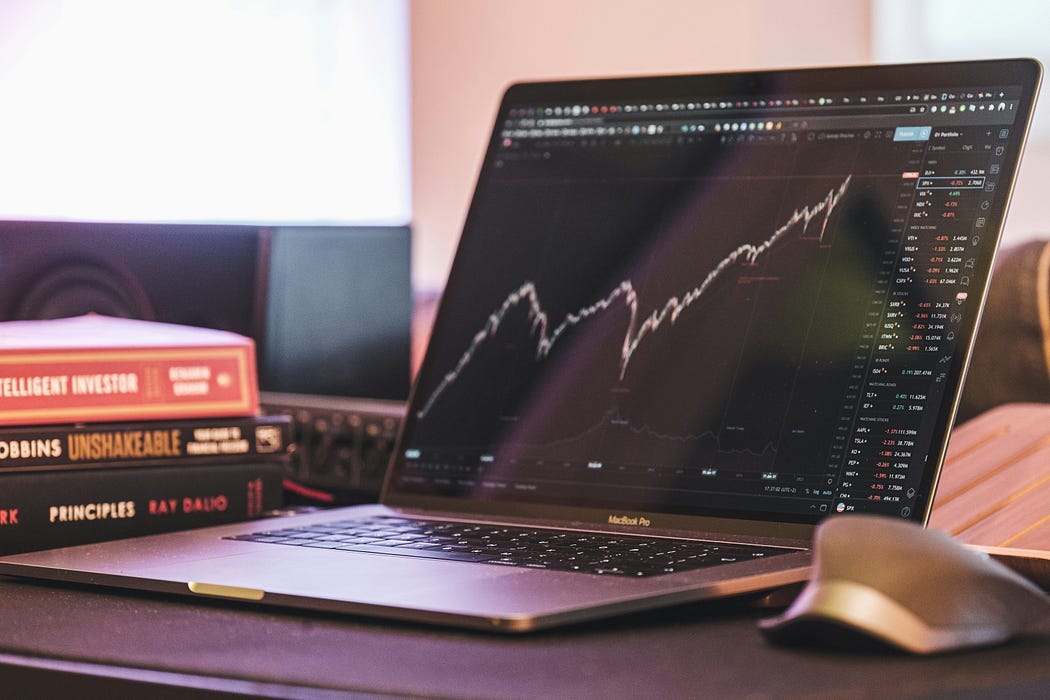
In the high-stakes theatre of the stock market, the loudest voices often belong to those chasing the next “ten-bagger” or timing the precise rotation from tech to value. But for the pragmatic investor, the most potent weapon is neither a complex algorithm nor a secret tip; it is the All-World index fund.
The Power of Systemic Diversification
An All-World fund tracking indices such as the MSCI ACWI or FTSE All-World offers a microscopic slice of thousands of companies across both developed and emerging markets. By owning the globe, you are no longer betting on the success of a single economy or the dominance of a specific sector.
If American technology stagnates while Indian manufacturing surges, your portfolio captures that shift automatically. This is systemic diversification, or as Nobel laureate Harry Markowitz famously termed it, the “only free lunch” in investing. To buy an All-World fund is to bet on the continued growth of global capitalism, capturing the aggregate output of human innovation from Silicon Valley to Shenzhen without the psychological tax of managing individual positions.
The Importance of Mental Health Awareness
Breaking the Silence
The Silent Erosion of Fees
While the strategy is conceptually robust, its success in practice relies heavily on a single metric: the Total Expense Ratio (TER). In a market where historical average returns hover around 7–8%, the difference between a 0.07% fee and a 0.75% fee is far more significant than it appears on paper.
Consider the math of compounding: Over a 30-year horizon, a $100,000 investment burdened by a 0.75% fee could result in a final portfolio worth $150,000 less than one tied to a 0.10% fee.
High fees compound negatively with the same relentless math that allows returns to grow. To maximise wealth, one must ruthlessly minimise the friction of ownership.

AI Generated
Scrutinising the Vehicle: Beyond the Ticker
When selecting an All-World vehicle, investors must look beyond the brand name and scrutinise the fund’s internal mechanics. Three factors are paramount:
Total Cost of Ownership:
A low management fee can sometimes disguise higher internal transaction costs or platform fees. Always calculate the “all-in” cost of holding the asset.
Full Replication vs. Sampling:
Some funds purchase every single stock in an index (Full Replication), while others buy a representative sample. While full replication often tracks the index more accurately, sampling can sometimes be used to lower costs in less liquid markets.
Tracking Error:
This measures how closely a fund follows its benchmark. A fund that consistently lags behind its index by more than its stated fee suggests poor management or excessive internal friction.
The Paradox of Intellectual Humility
Many investors mistake simplicity for a lack of sophistication. They believe that if they aren’t monitoring moving averages or parsing quarterly earnings calls, they aren’t “doing” enough to earn their returns. In reality, the All-World portfolio is the ultimate exercise in intellectual humility.
It is a quiet admission that we cannot know which country, sector, or company will dominate the coming decade. By refusing to guess, you eliminate the risk of being spectacularly wrong. This strategy replaces the frantic search for “alpha” with the steady, reliable capture of “beta,” allowing you to reinvest your most valuable asset, time, into your life rather than a brokerage app.
Turning Lag Time into Laugh Time
Embrace the Pause
Escaping the Gravity of Home Bias
A significant psychological hurdle to global investing is “home bias” — the tendency to over-invest in one’s domestic market due to a sense of familiarity. For US-based investors, a decade of S&P 500 dominance has made international diversification feel like a drag on performance.
However, market history is a cycle of rotating leadership. From the dominance of Japanese equities in the 1980s to the “lost decade” of US stocks in the 2000s, the pendulum of growth always swings. An All-World vehicle ensures that when the geographic guard changes, you don’t have to predict the pivot; you are already there, waiting.

AI Generated
The Ultimate Dividend: Freedom of Time
Ultimately, the goal of an All-World strategy is to decouple your time from your wealth accumulation. When your portfolio is optimised for maximum diversification and minimum cost, you cease to be a spectator of market volatility and become a beneficiary of global progress.
You trade the anxiety of the active trader for the serenity of the global owner. In the theatre of finance, the winner is rarely the person who tries the hardest; it is the person who makes the fewest unforced errors. Buying the globe for pennies is the surest way to stay in the game long enough to win.